Stairlift Rental vs. Buying: The Ultimate UK Guide to Costs & Choosing Your Best Option
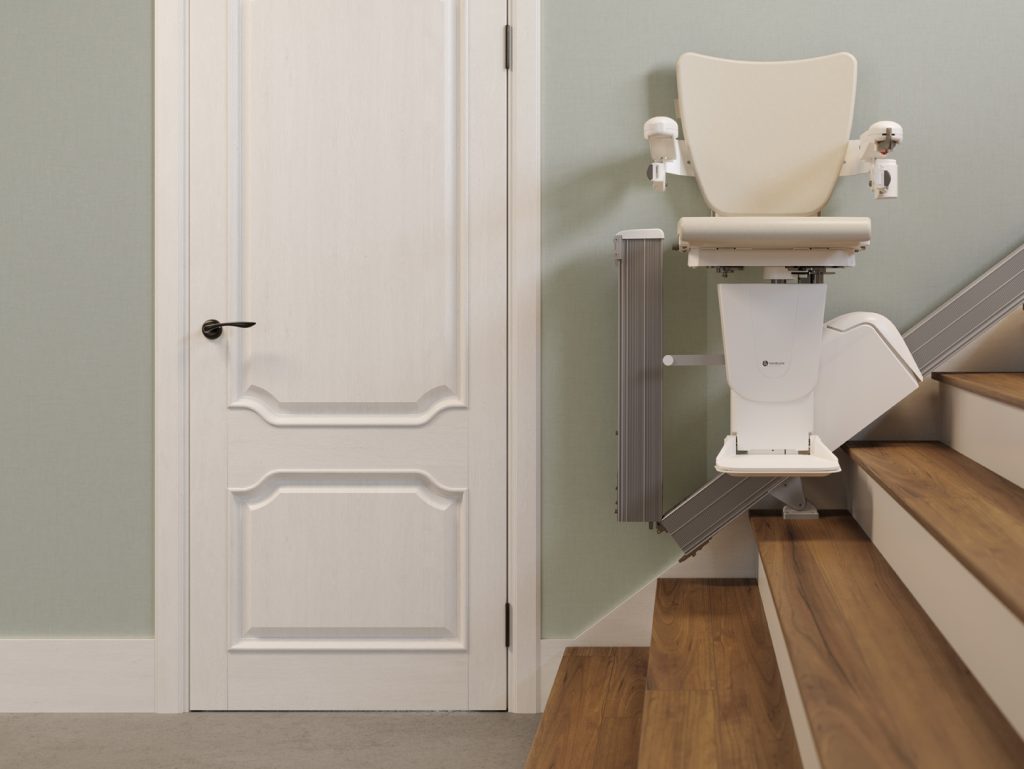

A stairlift can significantly improve daily independence and home safety if you or a loved one has trouble climbing stairs. When thinking about purchasing a stairlift, one of the most frequent queries is whether renting or purchasing one is preferable.
Depending on your circumstances, financial constraints, and the duration of the stairlift’s requirement, each choice has advantages. While buying a stairlift gives superior long-term value for some homes, short-term stairlift rentals offer a workable temporary alternative for others.
In this guide, we’ll outline the main distinctions between purchasing and renting a stairlift, break down the associated expenses, and assist you in selecting the choice that would best fit your requirements in this article.
Table of Contents
Stairlift Rental vs. Buying: Understanding the Key Differences
Ownership and usage time are the primary distinctions between purchasing and renting a stairlift.
Stairlift Rental
Instead of permanently owning a stairlift, renting one means paying a monthly fee to utilise the device. When a stairlift is required temporarily, this option is usually chosen.
Since curved stairlifts are often custom-made for each staircase, rental stairlifts are most frequently available for straight staircases.
Rental may be taken into consideration in the following circumstances:
- Temporary recuperation following surgery or trauma
- Changes in short-term mobility
- Situations involving end-of-life care
- Circumstances when long-term requirements are unclear
The stairlift is installed and maintained by the provider under rental agreements, and it can be removed when it is no longer needed.
Buying a Stairlift
Purchasing a stairlift means the lift becomes your property, either as a brand new model or a reconditioned one. Buying is usually the most common option when a stairlift is required for long-term use. Once installed, the lift can remain in place indefinitely and is often supported by warranty and servicing plans.
Owning a stairlift may be preferable if:
- Mobility needs are ongoing or permanent
- The staircase requires a bespoke curved stairlift
- Long-term value is more important than lower upfront costs
Breaking Down the Costs: Rental Fees, Purchase Price, and Hidden Charges
When determining whether renting or purchasing a stairlift is the superior choice, it’s critical to comprehend the entire cost.
Cost to Rent a Stairlift
Depending on the provider and installation specifications, rental costs may differ, but they usually consist of:
- A one-time installation charge
- A monthly rental fee
- Upkeep or repairs covered by the contract
Typical rental prices in the UK could be:
Installation: £300 – £800
Monthly rental: £50 – £150 per month
Over time, these monthly costs can add up, especially if the stairlift is required for longer than expected.
Cost to Buy a Stairlift
There are no recurring fees when purchasing a stairlift, although there is a higher initial outlay.
Typical prices for stairlift purchases in the UK are:
Straight stairlift: £1,800 – £3,000
Curved stairlift: £4,000 – £7,000+
Reconditioned stairlifts: often 20-40% cheaper than new
When purchasing, costs usually include installation and a warranty period.
Financial Comparison: When Does Renting Save You Money?
The length of time the lift will be required will determine whether purchasing or renting a stairlift is the more economical choice. When a stairlift is only needed temporarily, as during the healing process following surgery or while transient mobility problems are resolved, renting can be a sensible option. In these circumstances, paying a monthly rental charge might be more affordable than paying the entire purchase price upfront, especially if the stairlift is only anticipated to be needed for a few months.
On the other hand, buying a stairlift frequently provides better long-term value. The total cost of rental payments usually surpasses the cost of purchasing a stairlift outright if it is anticipated to be needed for longer than 12 to 18 months. For homeowners who want to purchase the equipment permanently or for staircases that need a custom curved stairlift, which are usually not available as rental options, buying might be a better choice. Long-term convenience and increased financial worth are two benefits of having a stairlift.
Essential Buyer’s Guide: Key Factors to Consider Before You Decide
Prior to choosing whether to purchase or rent a stairlift, it’s useful to take into account several important considerations that may affect which choice is ideal for your circumstances. Budget, staircase design, and mobility requirements can all be significant factors in choosing the best option. You can make sure you select a solution that provides both value and practicality by giving these factors some thought.
Expected Duration of Use
How long the stairlift is going to be required is one of the most crucial factors. Renting could offer a flexible short-term solution if mobility issues are anticipated to be transient. However, buying a stairlift usually offers superior long-term value and convenience if it will be needed for continuous daily use.
Type of Staircase
Whether you can buy or rent a stairlift will depend on the design of your staircase. Because the rails are conventional and simpler to install, straight staircases typically provide both rental and buy alternatives. However, buying a stairlift is usually the more popular choice because curved staircases frequently require custom rails constructed especially for the contour of the stairs.
Budget and Upfront Costs
Another important consideration when choosing between purchasing and renting is budget. In the near term, renting can help with financial management because it distributes the expense over monthly instalments. Purchasing necessitates a higher initial outlay, but if the stairlift is utilised for a number of years, it can end up being more economical in the long run. Some companies do provide stairlift finance, so it is important that you check if you’re eligible.
Long-Term vs. Short-Term Needs: Making the right decision
The most crucial consideration when choosing between buying and renting a stairlift is how long it will probably be needed.
If mobility issues are anticipated to improve, such as following surgery or rehabilitation, a temporary stairlift solution can be the best solution.
However, purchasing a stairlift might offer more stability, long-term value, and peace of mind if mobility issues are projected to persist or worsen over time.
Owning a stairlift also gives many customers peace of mind since they know it will always be there when they need it.
Making the Final Choice: Should You Rent or Buy a Stairlift?
Depending on your circumstances, purchasing or renting a stairlift may be an appropriate choice.
If you want lower upfront costs or require a temporary mobility solution, renting can be the best option.
Purchasing a stairlift is frequently the better choice when the lift will be needed for an extended period of time, when a curved staircase necessitates a custom installation, or when homeowners enjoy owning the equipment.
Speaking with a stairlift expert will help you understand the options available for your staircase and situation, if you’re unsure which is ideal.